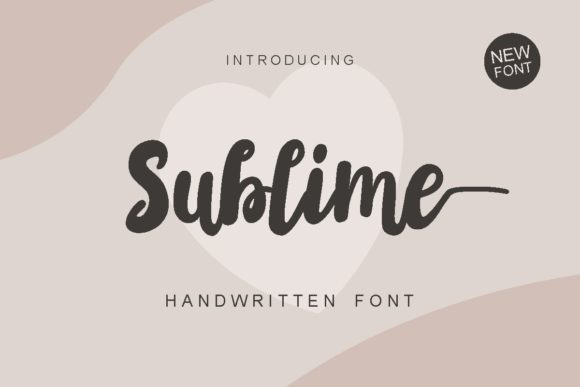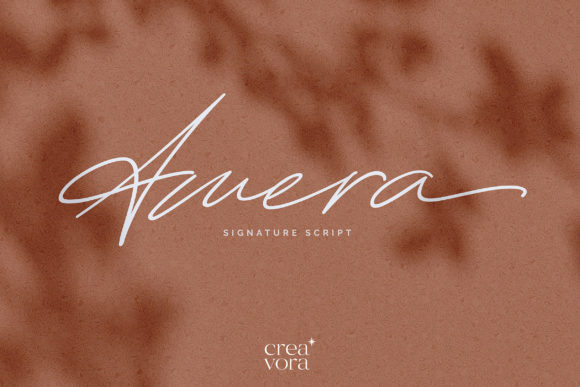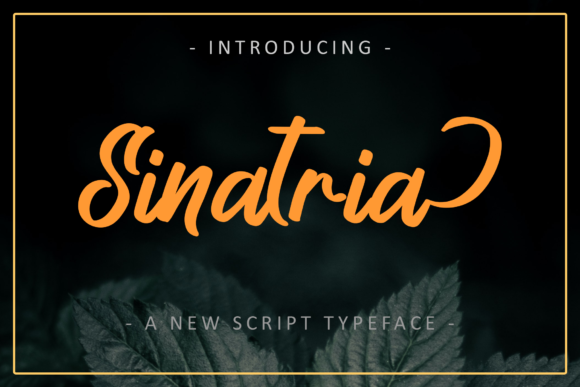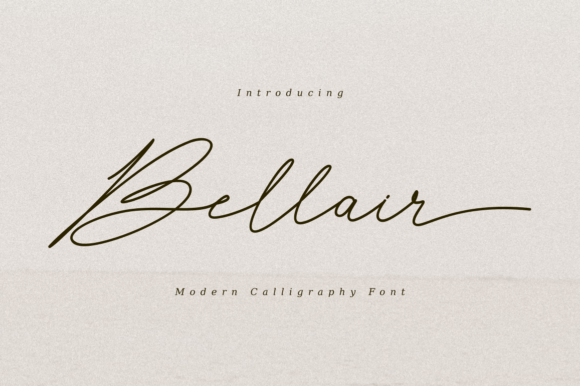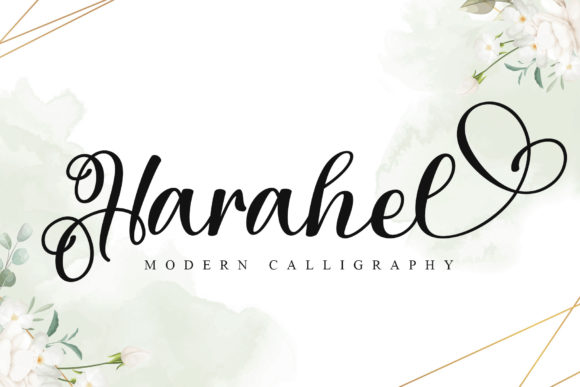
Harahel: A Premium Script Handwritten Font for Digital Branding
Harahel is an enchanting handwritten font that brings warmth, authenticity, and visual rhythm to digital interfaces. As a Script Handwritten typeface, Harahel balances organic flow with crisp digital legibility—making it ideal for designers who need expressive typography without sacrificing usability. Unlike many decorative fonts, Harahel is PUA encoded, so every swash, alternate glyph, and contextual ligature loads reliably across modern browsers, CMS platforms, and design tools. That means you’re not just selecting a font—you’re unlocking precision control over tone, hierarchy, and brand voice in live web environments.
Harahel for Hero Sections and Conversion-Focused Landing Pages
Harahel shines brightest where first impressions matter most: hero sections on SaaS landing pages, coaching websites, or creative service portfolios. Its confident yet approachable script style creates immediate emotional resonance—especially when paired with minimal sans serif body copy like Inter or Manrope. Because Harahel is PUA encoded, you can activate elegant entry swashes on headline words like “Welcome” or “Launch” without custom CSS or SVG workarounds. For conversion-focused layouts, use Harahel sparingly—only for primary headlines—and keep CTAs in a highly legible sans serif to preserve scanning behavior and tap-target clarity on mobile.
Harahel for Boutique Online Store Banners and Product Showcase Headers
When designing banners for Shopify, BigCommerce, or WooCommerce stores—especially those selling handmade goods, wellness products, or artisanal services—Harahel adds tactile sophistication. As a Script Handwritten font, it signals care, craftsmanship, and human-centered values. Use it at 48–64px for banner headlines overlaid on soft-focus lifestyle imagery, but always test contrast against light/dark backgrounds. Harahel’s natural stroke variation holds up well on retina displays, but avoid using it below 32px for body text or product tags. For best results, export banners as WebP with embedded Harahel via @font-face—or embed via variable font hosting if your platform supports it.
Harahel for Blog Headers and Editorial-Style Digital Content
Harahel transforms blog headers from functional labels into signature moments—ideal for lifestyle bloggers, independent journalists, or educators launching online courses. As a Fonts asset built for expressive voice, Harahel works especially well when set in title case with generous letter-spacing (0.05em–0.1em) and subtle line-height adjustment (1.2–1.3). Pair it with a clean serif like Merriweather or a neutral sans like Lato for article body text to reinforce editorial credibility. Because Harahel is PUA encoded, you can swap standard “a” or “g” glyphs for stylistic alternates mid-sentence—perfect for highlighting key phrases in newsletter headers or course module titles.
Harahel for Mobile App Onboarding Screens and UI Microcopy
In mobile-first UI design, Harahel serves best as a strategic accent—not default system text. Think welcome screens for creative apps, mood-tracking tools, or journaling platforms where personality matters. Its Script Handwritten character invites users in without overwhelming interface density. Use Harahel only for short, high-impact lines: “Your journey starts here,” “Sketch freely,” or “Breathe in.” Always pair with system-safe fallbacks and verify rendering on iOS and Android WebView. Avoid embedding Harahel in small buttons (<16px) or form labels; instead, reserve it for illustrated splash screens or animated intro sequences where its charm enhances perceived polish.
Harahel for Brand Identity Kits and Digital Template Design
If you’re building Figma UI kits, Notion templates, or Canva brand assets for clients, Harahel delivers instant tonal coherence. As a premium Script Handwritten font, it communicates warmth and intentionality—key traits for wellness brands, female-led startups, or boutique agencies. Because Harahel is PUA encoded, you can build dynamic text styles in Figma using Unicode-based variants, then export as static assets or embed via variable font stacks. Include clear licensing guidance in your template documentation: Harahel requires commercial licensing for client-facing web projects, SaaS dashboards, and downloadable digital products—so always verify license scope before bundling it into templates or theme files.
Harahel for Dark Mode Interfaces and Image Overlays
Harahel performs surprisingly well in dark mode—especially when used with a subtle text shadow (0 1px 2px rgba(0,0,0,0.2)) or light stroke effect to maintain edge definition. As a Fonts choice for overlays on hero video or gradient image backgrounds, its natural contrast variation prevents visual flattening. Test swash-heavy versions at larger sizes (≥56px) to ensure graceful rendering on Safari and Chrome. Avoid pure white-on-black without contrast adjustment; instead, try #f8f5f0 on #1a1a1a for balanced luminance. Since Harahel is PUA encoded, you retain full control over glyph selection even when applying CSS filters or blend modes.
Harahel for Logo Text and Branded Web Components
While Harahel isn’t intended as a full-logotype solution (it lacks extended weights or condensed variants), it excels as part of a layered logo system—e.g., a bold sans serif wordmark paired with Harahel for a tagline or sub-brand. As a Script Handwritten font, it adds memorability without compromising scalability. When exporting SVG logos, manually select swash alternates in your design app before outlining, since PUA encoding ensures consistent glyph mapping across platforms. For branded web components—think testimonial quotes, milestone counters, or “as seen in” badges—Harahel’s rhythm reinforces consistency across touchpoints while remaining distinct from generic script fonts.
Harahel Font Pairing Strategies for Modern Web Design
Pair Harahel with purpose: its Script Handwritten nature demands contrast, not competition. For clean, tech-forward sites, combine with geometric sans serifs like IBM Plex Sans or Space Grotesk. For editorial or lifestyle brands, try serif companions like Crimson Pro or Playfair Display—but keep serif usage to headings only. Never pair Harahel with another script font; the visual noise disrupts hierarchy. Instead, use it as your sole display font, then anchor everything else in one versatile, highly readable Fonts family. And always load Harahel as a WOFF2 file with proper font-display: swap to balance performance and personality.