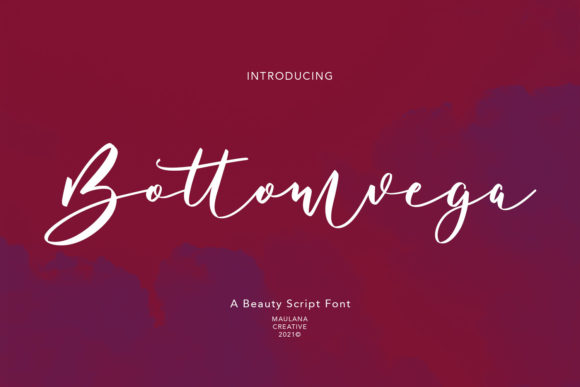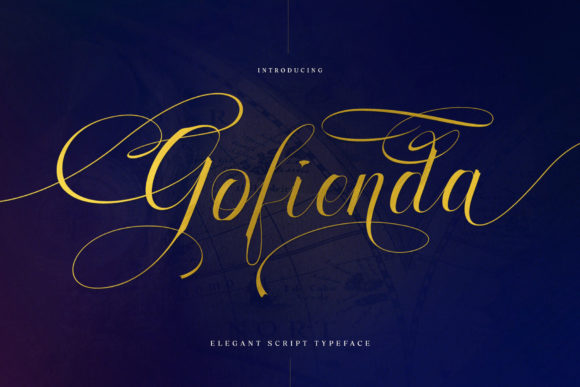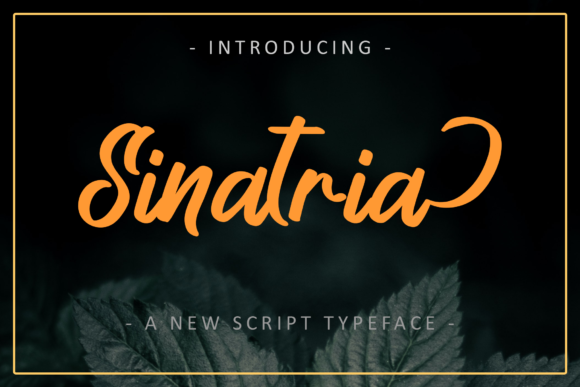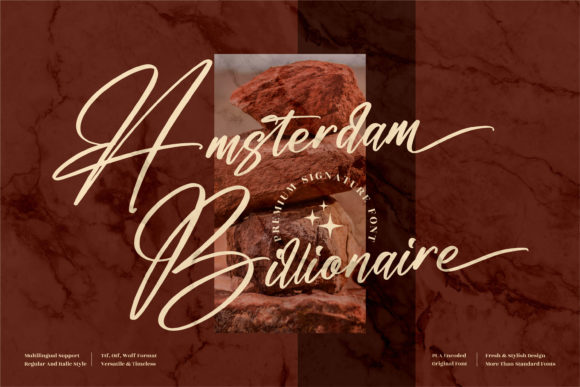
Bad Taste: Elegant Script Handwritten Font for Modern Design
What Is Bad Taste?
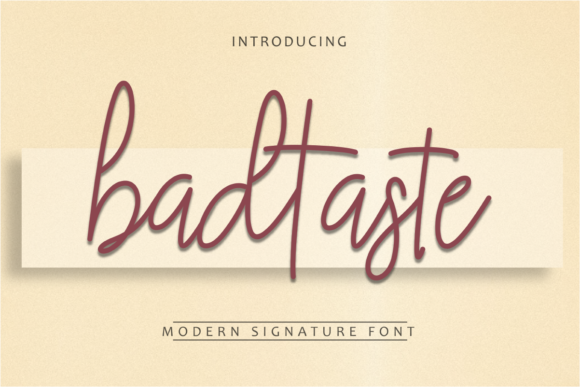
Bad Taste is an elegant script font with a contemporary atmosphere and impeccable form—designed to bridge timeless calligraphic tradition with today’s refined typographic sensibility. Its thin letterforms, balanced rhythm, and subtle variation in stroke weight make it stand out among Script Handwritten fonts. Whether you’re crafting a luxury brand identity or a handcrafted wedding invitation, Bad Taste delivers sophistication without pretension. Looking for a Bad Taste free download? You’ll find reliable sources offering both trial versions and licensed files—just ensure your use aligns with the included license terms.
Letterforms Rooted in Calligraphy
Each glyph in Bad Taste reflects deliberate calligraphic influence—fluid entry and exit strokes, soft terminals, and organic contrast. Unlike many over-processed script fonts, Bad Taste avoids excessive swash or artificial flourishes, keeping its elegance grounded and legible.
Weight & Contrast
As a thin-weight Script Handwritten font, Bad Taste excels in high-resolution applications where subtlety matters. Its low contrast (minimal difference between thick and thin strokes) ensures graceful scaling—from 12pt captions to 120pt display headers—without visual fatigue.
Spacing & Rhythm
The generous letter-spacing and intentional word-spacing give Bad Taste breathing room rarely found in free Script Handwritten fonts. This isn’t just decorative—it’s functional typography that invites reading, not skimming.
Bad Taste for logo design
Its clean yet expressive character makes Bad Taste ideal for boutique logos—especially in fashion, beauty, and artisanal food brands. The font conveys craftsmanship without cliché, avoiding the “hand-drawn chaos” trap many Script Handwritten fonts fall into.
Bad Taste for branding
When used consistently across business cards, email signatures, and packaging, Bad Taste establishes a cohesive, premium voice. Paired with a restrained sans-serif for body copy, it becomes a scalable branding system—not just a one-off flourish.
Bad Taste for wedding invitations and cards
Wedding stationery benefits from Bad Taste’s warmth and restraint. It reads as personal but polished—perfect for couples who want elegance without formality. Test it at 18–24pt on matte paper for tactile impact.
Bad Taste for posters and social media
Its high legibility at large sizes translates well to Instagram carousels and event posters. For social media, pair it with tight tracking and ample negative space—Bad Taste shines when given room to breathe.
Bad Taste for packaging
From candle labels to craft chocolate wrappers, Bad Taste adds quiet authority. Because it’s thin and precise, it works beautifully alongside minimalist photography and muted palettes—no need to compete with busy visuals.
Font Pairing & Combinations
What fonts pair well with Bad Taste? Start with contrast: a sturdy, neutral sans-serif like Inter or Poppins anchors its fluidity without overpowering it. For editorial or luxury contexts, try a crisp serif such as Playfair Display or Adobe Garamond—just avoid overly ornate serifs that clash tonally. A third option? Use Bad Taste exclusively for headlines and switch to a humanist sans like Lato for body text. That’s the essence of smart Bad Taste font pairing: clarity first, personality second.
Licensing & Commercial Use
Is Bad Taste free for commercial use? Not universally—licensing depends entirely on your source. Some platforms offer a free version strictly for personal projects; others provide a paid license covering Bad Taste commercial use for unlimited print and digital distribution. Always review the Bad Taste font license before deploying in client work or product packaging. If you need broad rights—including resale in templates or SaaS platforms—opt for the premium Script Handwritten font license. Never assume “free download” equals “free for commercial use.”
How to Download & Use Bad Taste
You can download Bad Taste font free for testing via trusted marketplaces like CreativeFabrica (which often includes limited-use trials) or FontSquirrel (where licensing varies per upload). Avoid unofficial sites that bundle fonts without clear attribution—they risk malware and license violations. Once installed, using Bad Taste in Canva is seamless: upload the .OTF file to your Brand Kit. In Photoshop, install the font system-wide and select it from the Type tool menu. In Word, restart the app after installation to see it in the font dropdown. Remember: installing ≠ licensing—always confirm usage rights before finalizing deliverables.
Designer Notes & Tips
Before committing Bad Taste to a full project, test it in black-and-white at multiple sizes—some thin Script Handwritten fonts vanish below 16pt. Also, check spacing in all-caps settings; while elegant in lowercase, uppercase combinations may need manual kerning. How does Bad Taste compare to similar fonts? It’s less flamboyant than Allura, more structured than Pacifico, and significantly more refined than many “free Script Handwritten font for Fonts” options flooding DaFont. If you’re weighing alternatives, ask: does it support OpenType features? Does it include ligatures or stylistic alternates? Bad Taste does—and that’s what separates a professional Fonts font from a decorative placeholder.